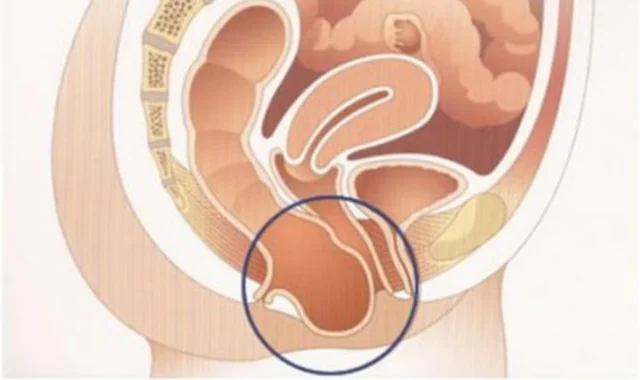
Rectocele:
Rectocele is the prolapse of the rectum downwards through the vaginal wall. The rectum is the final section of the large intestine, extending to the anus. It results from weakening or damage to the pelvic floor muscles and connective tissues.
Enterocele:
Enterocele is the prolapse of the small intestine from the abdominal area into the vagina. The small intestine is a long tube that aids in the digestion and absorption of nutrients. Enterocele occurs as a result of weakening or damage to the pelvic floor muscles and connective tissues.
Factors Causing Rectocele and Enterocele
- Childbirth: Normal deliveries, in particular, can increase the risk of rectocele and enterocele by putting pressure on the pelvic floor muscles and connective tissues.
- Difficult Birth: Difficult births, such as those involving the use of forceps or vacuum extraction, are also risk factors.
- Chronic constipation: Excessive straining can weaken the pelvic floor muscles, leading to this condition.
- Chronic cough: Conditions like asthma and bronchitis increase intra-abdominal pressure, posing a risk.
- Obesity: Being overweight puts extra strain on the pelvic floor, increasing the risk of rectocele and enterocele.
- Heavy Lifting: Regularly lifting heavy loads can strain the pelvic floor muscles.
- Menopause: Estrogen deficiency weakens the pelvic floor muscles, increasing the risk.
- Connective tissue disorders: Conditions such as Ehlers-Danlos syndrome can trigger this condition.
Symptoms of Rectocele and Enterocele
- Constipation: Difficulty defecating and hard stools.
- Loss of control over bowel movements: Involuntary defecation.
- Abdominal Pain: Pain, fullness, or pressure in the vagina or lower abdomen.
- Pelvic organ prolapse: A feeling of swelling or bulging in the vagina or rectum.
- Pain During Sexual Intercourse: Discomfort during sexual intercourse.
- Frequent Urgency to Defecate: A frequent urge to defecate, even if the bladder is not completely empty.
- Difficulty Defecating: Defecating without a feeling of complete emptying.
Treatment of Rectocele and Enterocele
- Lifestyle Changes:
- Changes such as weight loss, treating constipation, and quitting smoking can help relieve symptoms.
- Surgical Treatment:
- If non-surgical treatments are insufficient, surgical intervention may be necessary. During surgery, the rectum or small intestine is secured to the vaginal wall, and the prolapse is corrected. Different surgical techniques can be used, and the surgeon chooses the best method for the patient.
- Post-Surgical Recovery:
- Several weeks of rest and recovery are necessary after surgery. The doctor will provide specific instructions for the recovery process. Generally, it is recommended to avoid heavy lifting and foods that may cause constipation.
Conclusion:
Rectoceles and enteroceles are often associated with pelvic floor weakness and certain lifestyle factors. Early diagnosis and treatment can improve patients' quality of life. With appropriate treatment methods, these conditions can be managed and symptoms can be alleviated.
“Pelvic Health, Strong Life: We are with you in the treatment of Rectocele and Enterocele!”
FAQ
It is the prolapse of the large intestine toward the vagina.
It is the prolapse of the small intestine into the vaginal area.
Constipation, a feeling of fullness, and discomfort may occur.
Exercise may be sufficient in mild cases, while surgery is used in advanced cases.
Yes, if untreated, it can reduce quality of life.