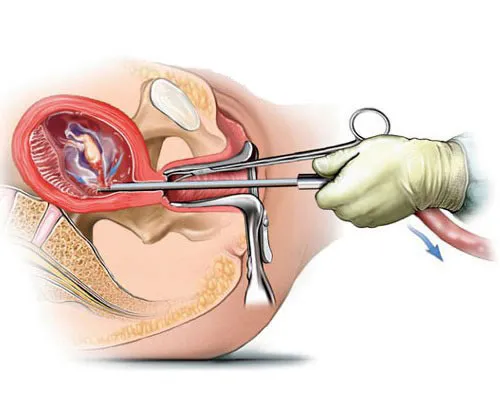
Curettage is a gynecological procedure performed to evaluate the uterine lining or to remove contents from the uterus in a controlled manner. In medical terminology, it is commonly referred to as Dilatation and Curettage (D&C).
This procedure may be planned for both diagnostic and therapeutic purposes. The goal is not unnecessary scraping of the uterus, but a targeted medical intervention based on clinical indications.
When is Curettage Performed?
Curettage may be recommended for various clinical situations, including:
• Post-Miscarriage Evaluation and Management
Removal of remaining tissue following a pregnancy loss
• Pregnancy Termination
Performed within legal regulations and medical guidelines
• Abnormal Uterine Bleeding
Assessment of the uterine lining
• Investigation of Intrauterine Conditions
Evaluation of polyps, endometrial thickening, or other structural changes
• Diagnostic Purposes
When analysis of endometrial tissue is required
Each procedure is planned individually based on the patient’s medical condition.
How is Curettage Performed?
Curettage is typically carried out in a clinical or hospital setting. During the procedure, the cervix is gently dilated, and specialized medical instruments are used to evaluate or remove uterine tissue.
The procedure may be performed under:
• Local anesthesia
• Sedation
• General anesthesia
The most appropriate anesthesia method is determined individually.
Procedure Duration and Recovery
Curettage is generally a brief procedure. Most patients can return to their daily activities on the same day.
Mild cramping, light bleeding, or temporary sensitivity may occur after the procedure. These effects are usually part of the normal healing process.
Who is a Suitable Candidate for Curettage?
Curettage is a medical procedure performed based on specific clinical needs. Suitability depends on:
• Patient’s overall health
• Clinical findings
• Physician evaluation
Potential Risks and Complications
Curettage is considered a safe procedure. However, as with all medical interventions, certain risks may exist, including:
• Infection (rare)
• Bleeding
• Temporary discomfort or cramping
• Very rarely, uterine wall injury
• Temporary effects related to anesthesia
All aspects of the procedure are thoroughly explained beforehand.
General Considerations
Curettage is an important procedure in gynecological practice for both diagnostic and therapeutic purposes. The decision to proceed is made by a qualified physician based on clinical evaluation.
As with all medical treatments, the assessment process is individualized.
FAQ
Dilation and curettage is a procedure in which the inside of the uterus is cleaned using special instruments.
It may be performed after a miscarriage, for diagnostic purposes, or in cases of abnormal uterine bleeding.
It is usually short and performed under anesthesia, so pain is generally not felt.
Sexual intercourse and heavy physical activities should be avoided for a certain period.
When performed properly, it does not negatively affect fertility.