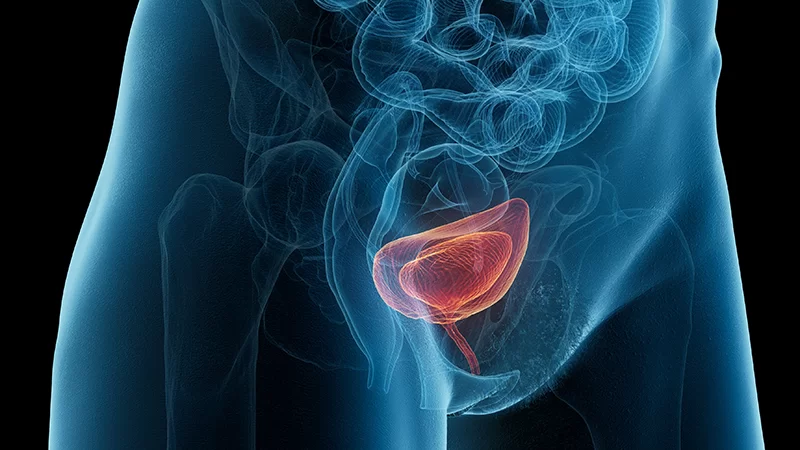
Overactive Bladder (OAB)
Overactive bladder (OAB) is a condition caused by the bladder contracting abnormally excessively. This can lead to a frequent urge to urinate and urinary incontinence. OAB is often caused by factors such as weakened pelvic floor muscles, nervous system disorders, or an overactive bladder.
Symptoms of Overactive Bladder
The prominent symptoms of AAM include:
- Frequent Urination: Feeling the need to urinate 8 or more times a day.
- Sudden Urgency to Urinate: A sudden and uncontrollable need to urinate.
- Involuntary Urinary Incontinence: The loss of control over urination and the involuntary leakage of urine.
- Nocturia (Waking Up to Urinate at Night): Frequent awakenings during the night to urinate.
Causes of Overactive Bladder
There can be several reasons for AAM:
- Pelvic floor muscle weakness: Factors such as childbirth, difficult delivery, chronic cough, constipation, and obesity can weaken the pelvic floor muscles, leading to AAM (Acute Acute Muscle Syndrome).
- Overactive Bladder Muscles: In some people, the bladder muscles contract more easily than normal, which can cause AAM (Acute Urinary Acid Extinction).
- Nervous System Abnormalities: Abnormalities in the functioning of bladder nerves can trigger AAM (Acute Bladder Acid). For example, diseases such as diabetes, multiple sclerosis, and Parkinson's disease can affect the nerves.
- Certain medications: Drugs such as diuretics (water pills) and anticholinergics can worsen AAM symptoms.
- Medical Conditions: Certain medical conditions, such as diabetes, multiple sclerosis, Parkinson's disease, and prostate cancer, can trigger AAM (Acute Myocardial Infarction).
Diagnosis of Overactive Bladder
OAB is diagnosed through a doctor's examination and evaluation of symptoms. The doctor takes the patient's medical history and assesses their complaints. Tests such as urine tests, pelvic examinations, ultrasounds, or cystometry may also be performed. Cystometry is a test that evaluates the capacity and function of the bladder.
Treatment of Overactive Bladder
AAM treatment varies depending on the severity of symptoms and the patient's overall health. In mild cases, lifestyle changes and behavioral therapies may be sufficient.
- Lifestyle Changes:
- Limiting Fluid Intake: Regulating fluid intake is important to reduce the frequency of urination.
- Avoid Caffeine and Alcohol: Caffeine and alcohol can stimulate the bladder, so it is recommended to avoid them.
- Bladder Emptying Habits: Regularly emptying your bladder can reduce unnecessary pressure.
- Kegel exercises: These exercises, which strengthen the pelvic floor muscles, can improve bladder control.
- Behavioral Therapies:
- Bladder Training: Bladder training aims to increase bladder capacity by increasing the intervals between urination.
- Cognitive Behavioral Therapy: Stress and anxiety can trigger AAM symptoms. This treatment can help manage stress.
Medication for Overactive Bladder
Medications used to treat OAM work by reducing the overactivity of the bladder muscles or by increasing the bladder's capacity. These medications can often be effective in relieving symptoms. The most common groups of medications include:
- Anticholinergic drugs: Prevent excessive contraction of the bladder muscles.
- Beta-3 Adrenergic Agonists: Increase bladder capacity, thereby reducing the frequency of urination.
Surgical Treatment of Overactive Bladder
If symptoms cannot be controlled with other treatment methods, surgery may be necessary. Surgical options include:
- Cystoscopy: A procedure in which a thin tube is inserted into the bladder to examine the bladder wall and, if necessary, make small incisions to perform interventions.
- Augmentation Cystoplasty: A procedure in which tissue taken from the intestine is used to patch the bladder wall in order to increase bladder capacity.
- Denervation: Cutting or weakening of the nerves that control the bladder muscles.
- Neuromodulation: The implantation of a device to deliver electrical stimulation to the nervous system in order to control the activity of the bladder muscles.
Outcome and Recovery Process
AAM treatment requires an individualized approach to alleviate the severity of the patient's symptoms and improve their quality of life. Patients generally adapt quickly to the recovery process after surgery, but careful follow-up and adherence to doctor's recommendations are important.
"Regain Your Urinary Control: Make Your Life Easier with Overactive Bladder Treatment!"
FAQ
It is a condition characterized by a sudden urge to urinate.
Frequent urination and waking up at night to urinate are common.
Medication, exercises, and botulinum toxin (Botox) treatments may be used.
Yes, it can negatively affect social life.
It can be controlled with appropriate treatment.