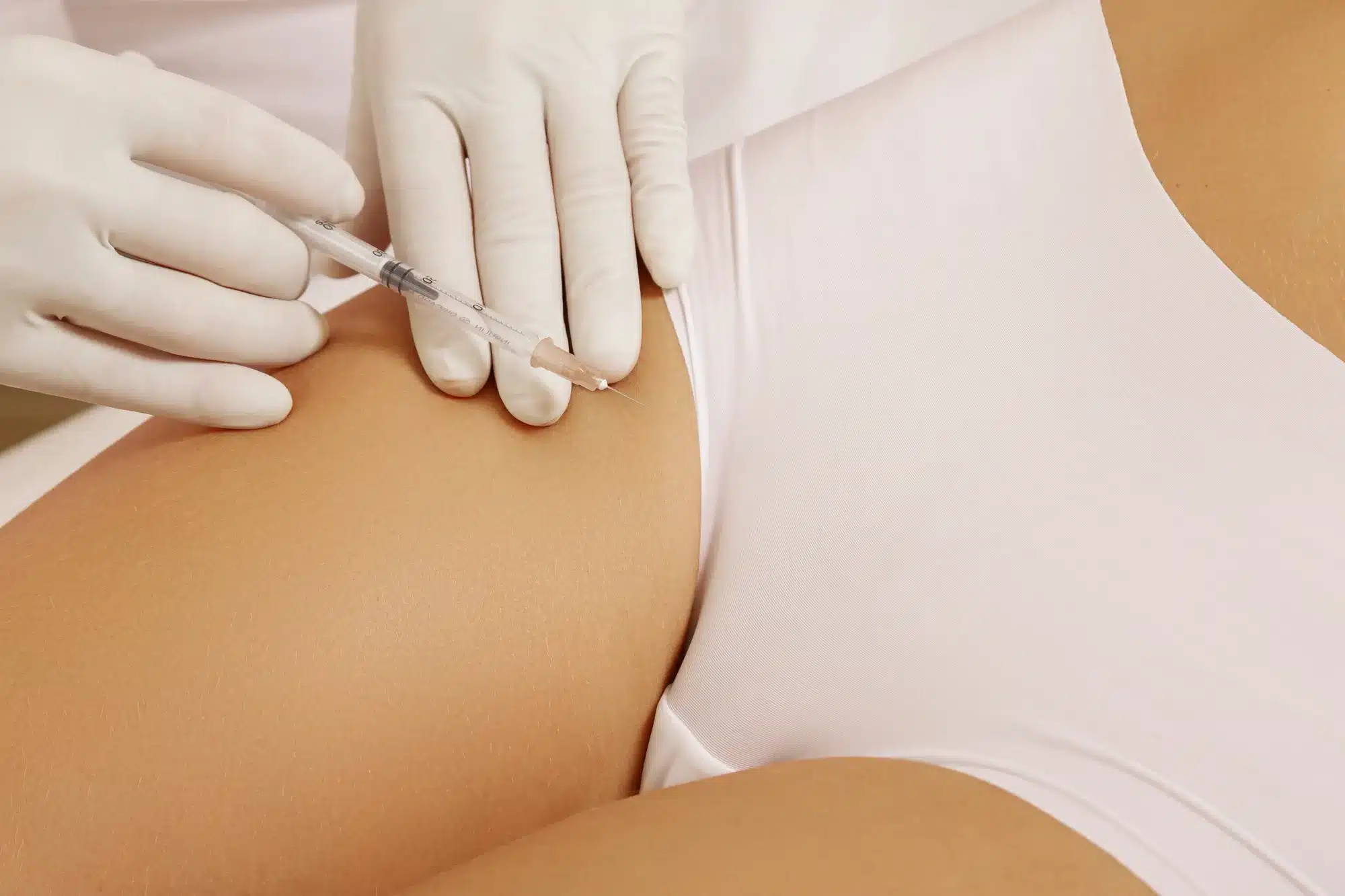
Tissues in the genital area, similar to the skin of the face and body, may lose volume over time. Factors such as aging, weight fluctuations, hormonal changes, and menopause can lead to thinning, laxity, and volume reduction in the labia majora (outer labia).
While this may represent a purely aesthetic concern for some women, for others it may also affect physical comfort due to reduced tissue support. Labia majora augmentation is a medical aesthetic procedure designed to restore lost volume and achieve a fuller, firmer, and more youthful appearance of the genital area.
The most commonly preferred techniques include:
• Hyaluronic acid-based dermal fillers
• Fat injection using the patient’s own tissue
Hyaluronic acid fillers offer a controlled and reversible approach to volume restoration, while fat injection is considered a natural alternative that may provide longer-term volume support. The choice of technique is determined based on the patient’s anatomy and individual expectations.
Purpose of the Procedure
The primary objective of labia majora augmentation is to support tissues that appear deflated, reduced in volume, or wrinkled. The goal is not excessive enlargement, but rather a natural, balanced appearance that is harmonious with the surrounding anatomy.
This treatment is typically planned to:
• Restore volume loss
• Improve tissue support
• Achieve a fuller, more youthful appearance
Combination Treatments
Labia majora augmentation can be performed alone or combined with other genital aesthetic procedures, depending on the patient’s needs. It is frequently planned alongside treatments such as labiaplasty or vaginal rejuvenation.
Each treatment plan is developed individually following a detailed physician evaluation.
FAQ
It is an aesthetic procedure performed to restore volume to the outer labia (labia majora).
Dermal fillers, fat injection, or PRP treatments may be used.
The procedure usually takes 20–40 minutes.
Depending on the method used, results may last 1–2 years.
Patients can usually return to normal life the same day.