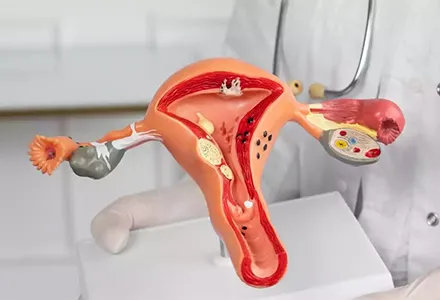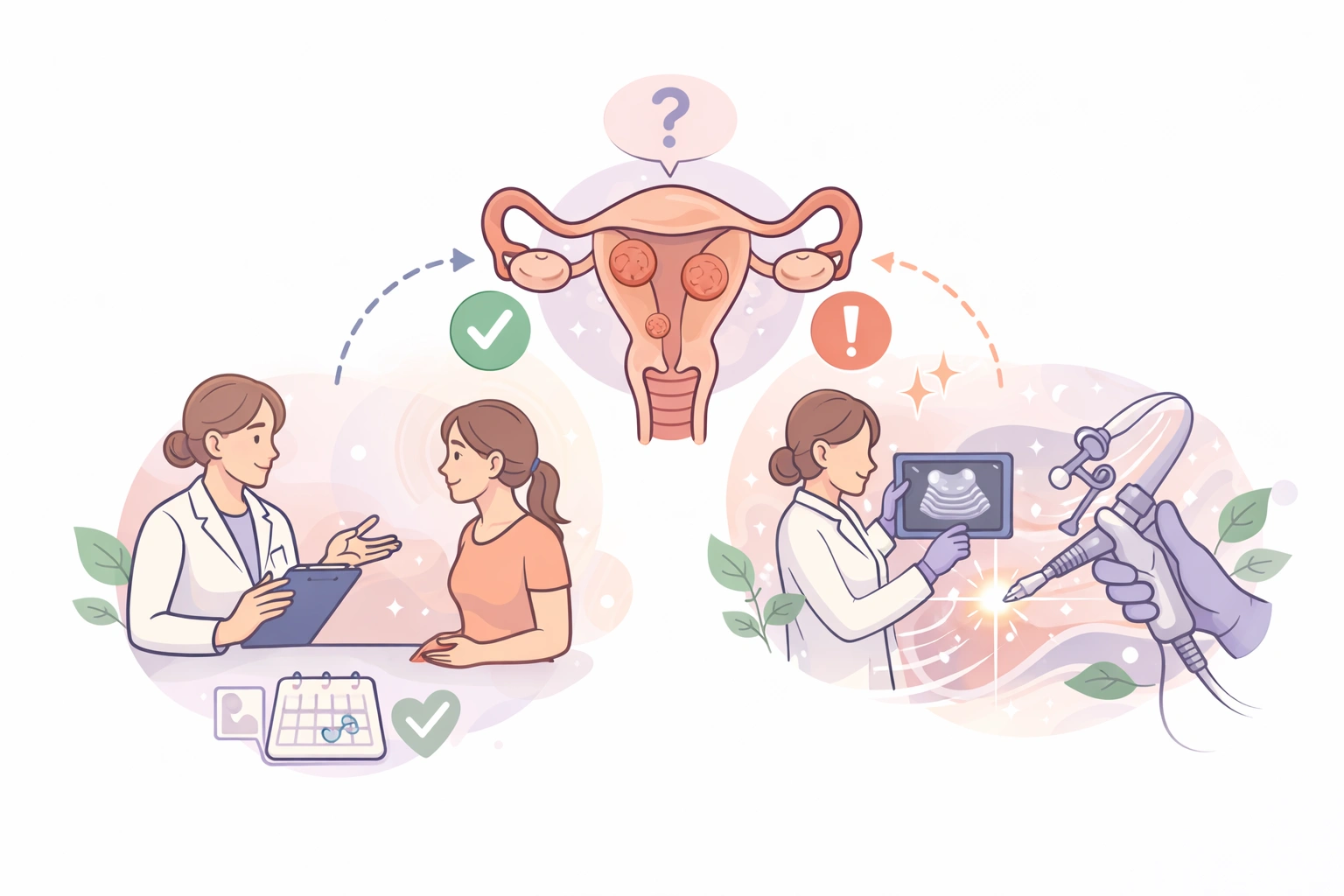

Vaginoplasty is a surgical procedure that involves reconstruction and aesthetic corrections of the female genital area. This procedure is generally performed for purposes such as tightening the vagina, correcting loose tissue, and making adjustments to the labia minora (inner lips).
Vaginoplasty Results
Vaginoplasty can produce different results for each individual, and outcomes may vary depending on the person’s anatomical structure, surgical techniques, and the healing process. However, the following results can generally be achieved:
Tightened Vagina
Vaginoplasty aims to tighten the vaginal canal. This procedure is intended to strengthen the vaginal muscles and provide a tighter vaginal passage. A tightened vagina may offer increased tightness and satisfaction during sexual intercourse.
Tissue Corrections
During vaginoplasty, it is possible to correct loose vaginal tissues. This is done to achieve a more aesthetic appearance and to eliminate tissue sagging that may cause discomfort.
Labia Minora Corrections
Vaginoplasty also allows for corrections to be made to the labia minora (inner lips). Surgical techniques may be used to address issues such as asymmetrical or enlarged labia minora.
Expectations and Recovery Process
The recovery process after vaginoplasty may vary from person to person, but it generally includes the following stages:
First Weeks
In the first few weeks after surgery, symptoms such as swelling, bruising, and mild pain may occur. During this period, it is important to follow the rest and recovery guidelines recommended by your doctor.
Healing Process
The healing process usually takes between 6 and 8 weeks. During this time, avoiding sexual activity is recommended. Although the recovery period varies among individuals, results generally continue to improve over time.
Evaluation of Results
It may take several months for vaginoplasty results to be fully visible. The outcomes typically provide a more aesthetic appearance along with a tightened vagina and improved tissue structure.
Conclusion
Vaginoplasty can be an important option for many women in terms of enhancing sexual functionality and self-confidence. However, as with any surgical procedure, vaginoplasty results may vary from person to person. Therefore, it is important to clearly discuss your expectations and pre- and post-operative care instructions with your doctor.
Surgical procedures such as vaginoplasty vary according to each individual’s needs and preferences and may require a personalized approach. For accurate information, it is important to consult a healthcare professional.
FAQ
Vaginoplasty may be suitable for women who experience vaginal laxity, postpartum tissue changes, or aesthetic or functional concerns. Eligibility should always be determined after a gynecological examination and a thorough evaluation by a physician.
No. Vaginoplasty can be performed for both aesthetic and functional reasons. The procedure may aim to tighten the vaginal canal, correct tissue laxity or prolapse, and, in some cases, reduce symptoms related to sexual function.
The recovery period typically ranges from 6 to 8 weeks. Swelling and sensitivity may occur during the initial weeks. During this time, it is important to follow the physician’s aftercare instructions and avoid sexual intercourse.
The final results of the surgery usually become more noticeable within a few months. As swelling subsides and the tissues heal completely, both functional and aesthetic outcomes can be more clearly evaluated.
Vaginoplasty can provide long-lasting results; however, aging, hormonal changes, and future childbirth may affect vaginal tissues over time. The longevity of results depends on individual factors and life circumstances.