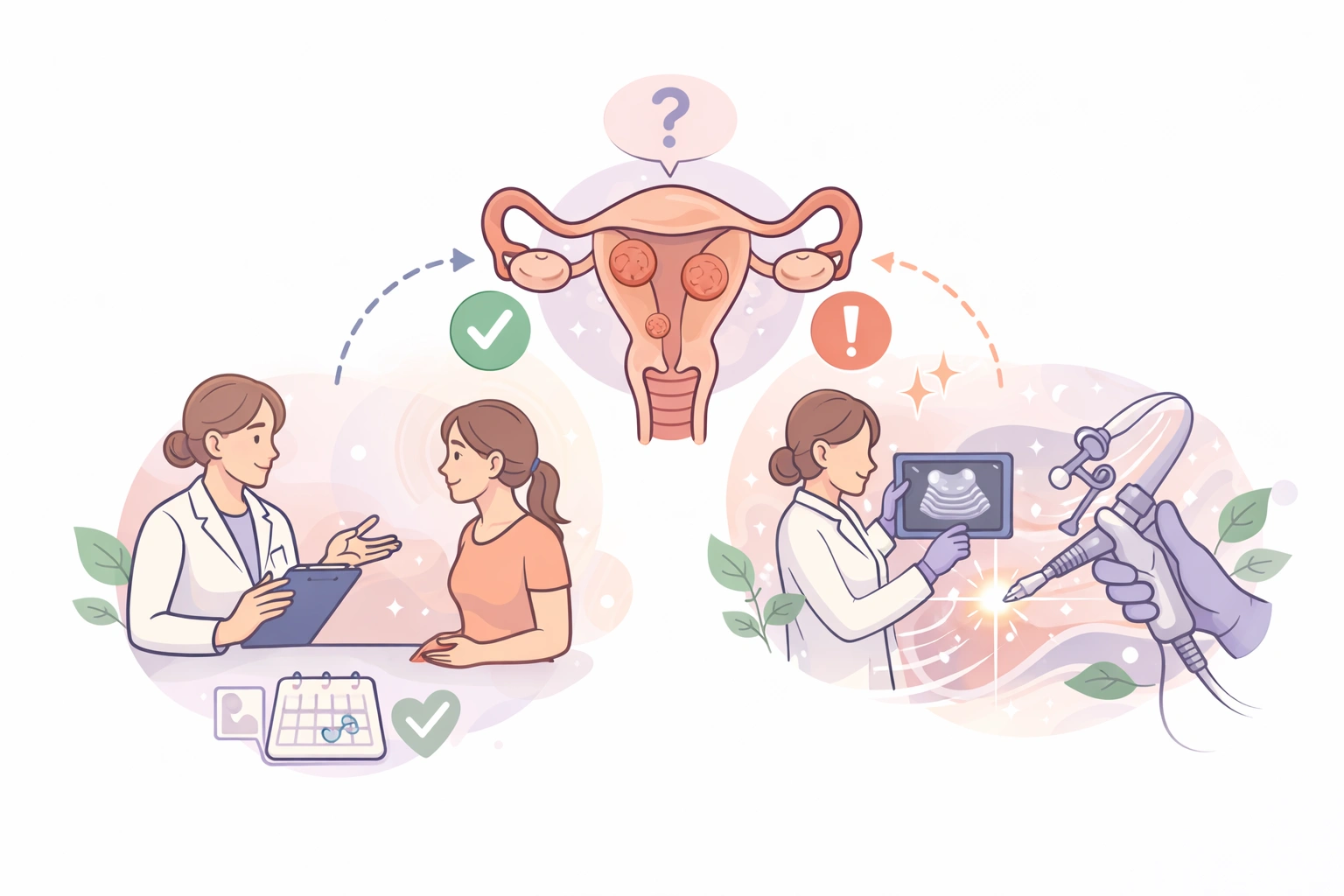
Vaginal laxity refers to the condition of widening or loosening of the vaginal canal in women. This condition can usually occur as a result of aging, childbirth, hormonal changes, or certain medical conditions. The symptoms of vaginal laxity may present with various symptoms experienced by many women.
Decreased Pleasure During Sexual Intercourse
Vaginal laxity can result in the widening of the vaginal canal, which may lead to decreased pleasure during sexual intercourse. The partner’s penis or sexual toys may not provide sufficient friction in the vagina, which can make orgasm more difficult. A reduced sense of tightness and friction may be felt during sexual intercourse.
Frequent Urinary Tract Infections
Vaginal laxity may prevent the urethra from being adequately supported by the vagina, which can increase susceptibility to frequent urinary tract infections. Symptoms of infection such as a burning sensation during urination, frequent urge to urinate, and blood or cloudiness in the urine may be observed.
Vaginal Gas Problems
Vaginal laxity may cause air to accumulate and lead to vaginal gas due to the loosening of the vaginal canal. This condition can be uncomfortable during daily activities or during sexual intercourse. Symptoms such as sounds coming from the vagina or the release of air may be observed.
Vaginal Looseness and Tissue Changes
Vaginal laxity may cause changes in vaginal tissue and muscle tone. The vagina may feel wider and looser. This condition can be especially common in the postpartum period or during the aging process. Generally, a decrease in the holding ability of underwear or tampons may be noticed.
Frequent Urge to Urinate
Vaginal laxity may cause the bladder to not be properly supported, leading to a frequent urge to urinate. A feeling of straining may be experienced before or after urination. This condition can cause discomfort in daily life activities.
FAQ
Vaginal laxity most commonly develops as a result of vaginal childbirth, aging, hormonal changes (especially menopause), weakened connective tissue, and certain gynecological conditions. The loss of elasticity in the vaginal tissues leads to this condition.
Yes. Loosening of the vaginal canal can reduce friction during sexual intercourse, which may lead to decreased sexual pleasure for both the woman and her partner. Some women may also experience difficulty achieving orgasm.
Vaginal laxity may result in insufficient support of the urinary tract. This can contribute to symptoms such as frequent urination, a sensation of urinary leakage, or an increased tendency toward recurrent urinary tract infections.
Yes. When the vaginal canal becomes looser, air can accumulate inside the vagina. This air may be released as vaginal gas during daily movements or sexual intercourse. While not medically harmful, it can cause social or psychological discomfort.
Vaginal laxity can be treated using non-surgical or surgical methods, depending on the individual and the severity of symptoms. Options such as vaginal laser treatments, radiofrequency therapies, or surgical vaginoplasty are planned after a medical evaluation by a physician.

Recent Posts
What Is Uterine Wall Thickening? Causes, Symptoms, and Treatment Methods

Vaginoplasty Results: The Effects of Surgical Intervention and Expectations

What Are Medical Aesthetic Treatments? A Guide to Botox, Dermal Fillers, and Skin Rejuvenation