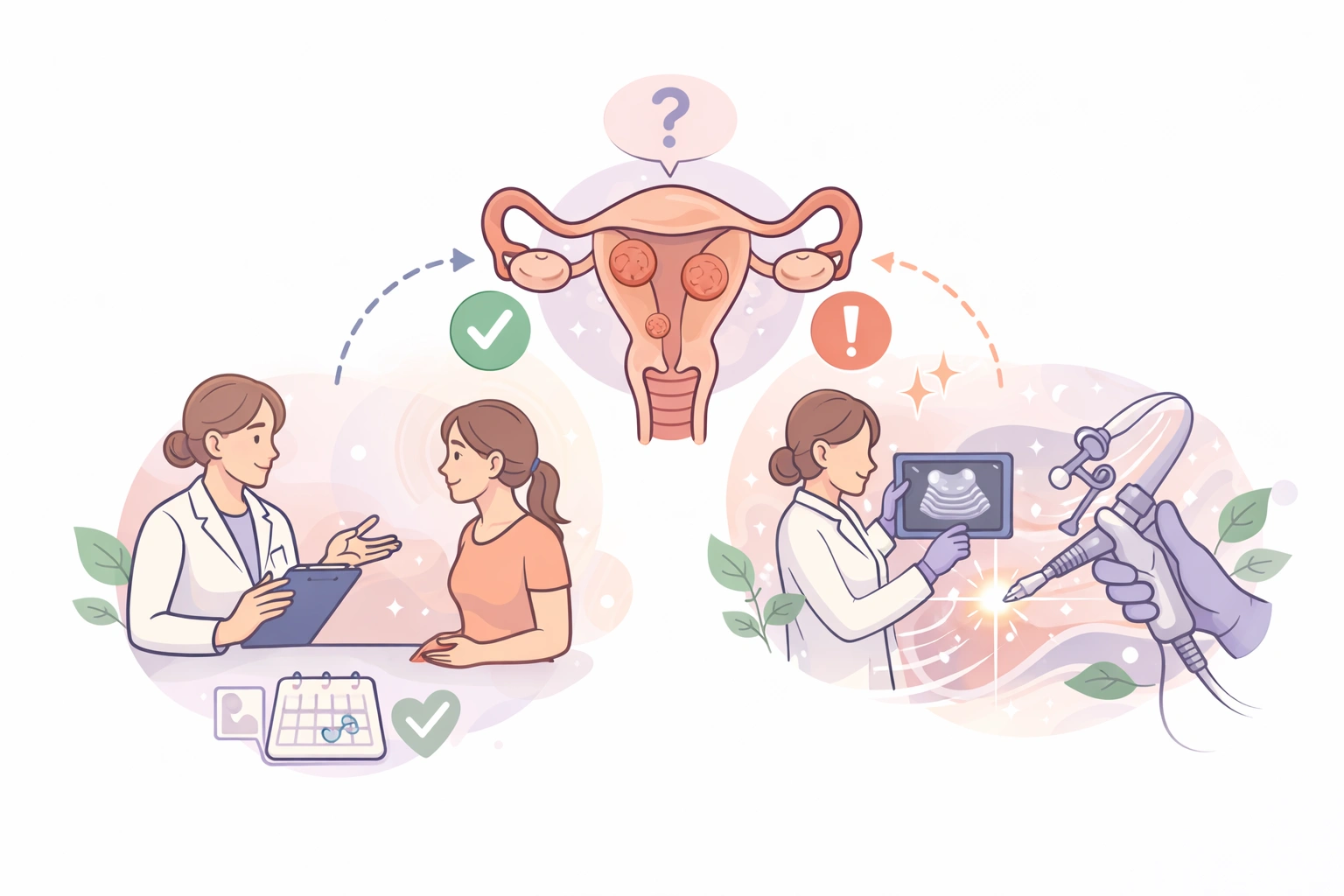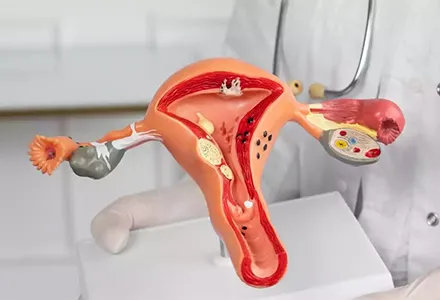

Uterine wall thickening refers to the condition in which the inner lining of the uterus (endometrium) becomes thicker than normal. This condition may occur due to a variety of different causes and can indicate various health problems.
Causes
Hormonal Changes:
Uterine wall thickening is generally associated with hormonal imbalances. Excess production of the hormone estrogen or insufficient production of progesterone may cause the uterine wall to thicken.
Adenomyosis:
Adenomyosis is a condition in which the inner lining of the uterus grows into the muscular layer of the uterus. This condition may lead to thickening and enlargement of the uterine wall.
Endometrial Hyperplasia:
Endometrial hyperplasia is the abnormal thickening of the inner lining of the uterus. This condition may be associated with factors such as hormonal imbalances, obesity, polycystic ovary syndrome, or hormone therapy.
Hormonal Medications:
Some hormonal medications, especially when used long-term, may cause thickening of the uterine wall. For example, hormone replacement therapy containing estrogen or certain birth control methods may lead to thickening of the uterine lining.
Symptoms
The symptoms of uterine wall thickening may vary from woman to woman. However, the following symptoms may be observed:
Heavy or Prolonged Menstrual Bleeding:
Uterine wall thickening may cause menstrual bleeding that is heavier and longer than normal.
Painful Menstrual Periods:
Uterine wall thickening may lead to painful menstrual periods, such as menstrual cramps or pelvic pain.
Abnormal Bleeding:
Thickening of the uterine wall may present as abnormal bleeding or spotting between menstrual periods or after menopause.
Infertility:
Uterine wall thickening may prevent normal implantation of the uterine lining and lead to infertility.
Treatment Options
Treatment for uterine wall thickening varies depending on the severity of symptoms, age, the underlying cause of the condition, and individual preferences. Treatment options may include:
Hormone Therapy:
Hormone therapy may be used to regulate the thickness of the uterine wall. Medications containing estrogen and progesterone or birth control methods may be prescribed.
Endometrial Ablation:
In this procedure, part or all of the uterine lining is surgically removed or destroyed. This may reduce heavy bleeding and help control the thickness of the uterine wall.
Hysteroscopy:
Hysteroscopy is a surgical procedure performed by entering the uterus with a tube or device to remove or correct abnormalities that cause thickening of the uterine wall.
Removal of the Uterus (Hysterectomy):
If uterine wall thickening causes serious problems and other treatment options are ineffective, hysterectomy—the removal of the uterus—may be considered. However, this is generally regarded as a last-resort option.
Conclusion
Uterine wall thickening is a condition that may occur due to different causes, and its symptoms may vary from woman to woman. If you are experiencing symptoms of uterine wall thickening, it is important to consult a healthcare professional. Your specialist will evaluate your condition and offer appropriate treatment options.
FAQ
Thickening of the uterine lining does not always indicate a serious disease; however, depending on the underlying cause, it may require monitoring or treatment. It should be carefully evaluated, especially if there is postmenopausal bleeding, prolonged menstrual periods, or recurrent abnormal uterine bleeding.
Some types of endometrial hyperplasia—particularly those with cellular atypia—may increase the risk of cancer if left untreated. Therefore, early diagnosis and regular follow-up are very important. Not every case of thickening means cancer.
Yes. An abnormally thick endometrium can make it more difficult for an embryo to implant in the uterus and may contribute to infertility. In women planning pregnancy, the treatment approach is tailored accordingly.
Diagnosis usually begins with a transvaginal ultrasound to measure the thickness of the uterine lining. When necessary, hysteroscopy, endometrial biopsy, or additional imaging methods are used to establish a definitive diagnosis.
Yes. In many cases, hormonal treatments can effectively control endometrial thickness. Surgical methods are generally reserved for situations where medical therapy is insufficient or when more serious findings are present.