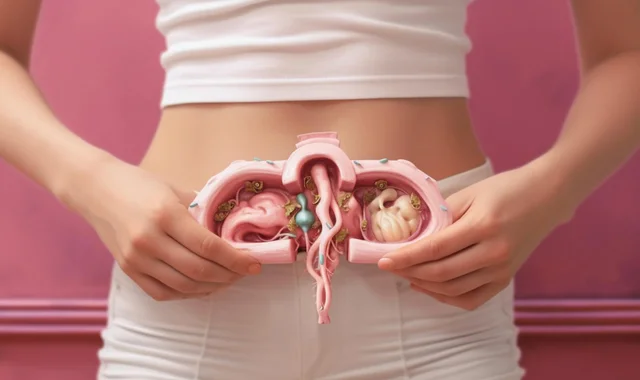
Fibroids are growths that originate from the muscular layer of the uterus. They are typically benign and rarely associated with cancer. In medical literature, they are also referred to as uterine fibroids. Their size may range from a few millimeters to as large as 15–20 cm.
Fibroids are quite common in women, particularly during the reproductive years. A significant proportion of women over the age of 35 may have fibroids of varying sizes and numbers. While some women have a single fibroid, others may have multiple fibroids within the uterus.
Many fibroids remain asymptomatic. However, in some patients, they may lead to symptoms that affect daily comfort.
Symptoms of Fibroids
Symptoms associated with fibroids may vary depending on their size and location. The most commonly observed complaints include:
• Prolonged or heavy menstrual bleeding
• Increased menstrual pain
• Pelvic pressure or fullness
• Abdominal bloating or swelling
• Frequent urination
• Constipation or changes in bowel habits
• Difficulty conceiving in some patients
In many women, fibroids are detected incidentally during routine gynecological examinations or ultrasound evaluations.
Why Do Fibroids Develop?
The exact cause of fibroids is not fully understood. However, hormonal and genetic factors are believed to play a role.
Estrogen and progesterone may influence fibroid growth. For this reason, fibroids tend to be more active during reproductive years and often shrink after menopause as hormone levels decline.
Genetic predisposition is also an important factor. Women with a family history of fibroids may have a higher likelihood of developing them.
Who is More Likely to Develop Fibroids?
Fibroids are more frequently observed in:
• Women of reproductive age
• Individuals between 30 and 50 years
• Women with a family history of fibroids
After menopause, fibroid growth generally slows due to decreased hormone levels.
Treatment Approaches for Uterine Fibroids
Fibroid management is highly individualized. Not all fibroids require surgical intervention. Treatment decisions are based on factors such as:
• Patient’s age
• Presence and severity of symptoms
• Size and location of fibroids
• Pregnancy plans
Observation (Monitoring)
Small, asymptomatic fibroids may only require regular follow-up.
Medical Treatment
Hormone-regulating medications may be used in selected patients to manage symptoms.
Surgical Treatment
Surgical options are determined according to patient needs:
• Myomectomy – Removal of fibroids while preserving the uterus
• Hysterectomy – Removal of the uterus when medically necessary
Minimally Invasive Surgery
For suitable candidates:
• Laparoscopic surgery
• Hysteroscopic procedures
These techniques may offer smaller incisions and a more comfortable recovery.
When Should You Consult a Physician?
Gynecological evaluation is recommended in cases of:
• Noticeably heavy menstrual bleeding
• Persistent pelvic or groin pain
• Pelvic pressure or abdominal swelling
• Frequent urination
• Difficulty conceiving
Early evaluation supports more effective and controlled treatment planning.
General Considerations
Uterine fibroids are common and typically benign conditions. With accurate diagnosis and a personalized treatment approach, symptoms can be effectively managed in most patients.
Not every fibroid requires surgery. The most appropriate treatment plan is determined following an individual medical assessment.
FAQ
Fibroids are benign (non-cancerous) tumors that develop from the muscular layer of the uterus.
They may cause heavy menstrual bleeding, pelvic pain, a feeling of pressure, and infertility.
No. Fibroids that do not cause symptoms can be monitored without treatment.
Medical therapy, hysteroscopy, laparoscopy, or open surgery may be used.
Yes. Especially if the uterus is preserved, new fibroids may develop.