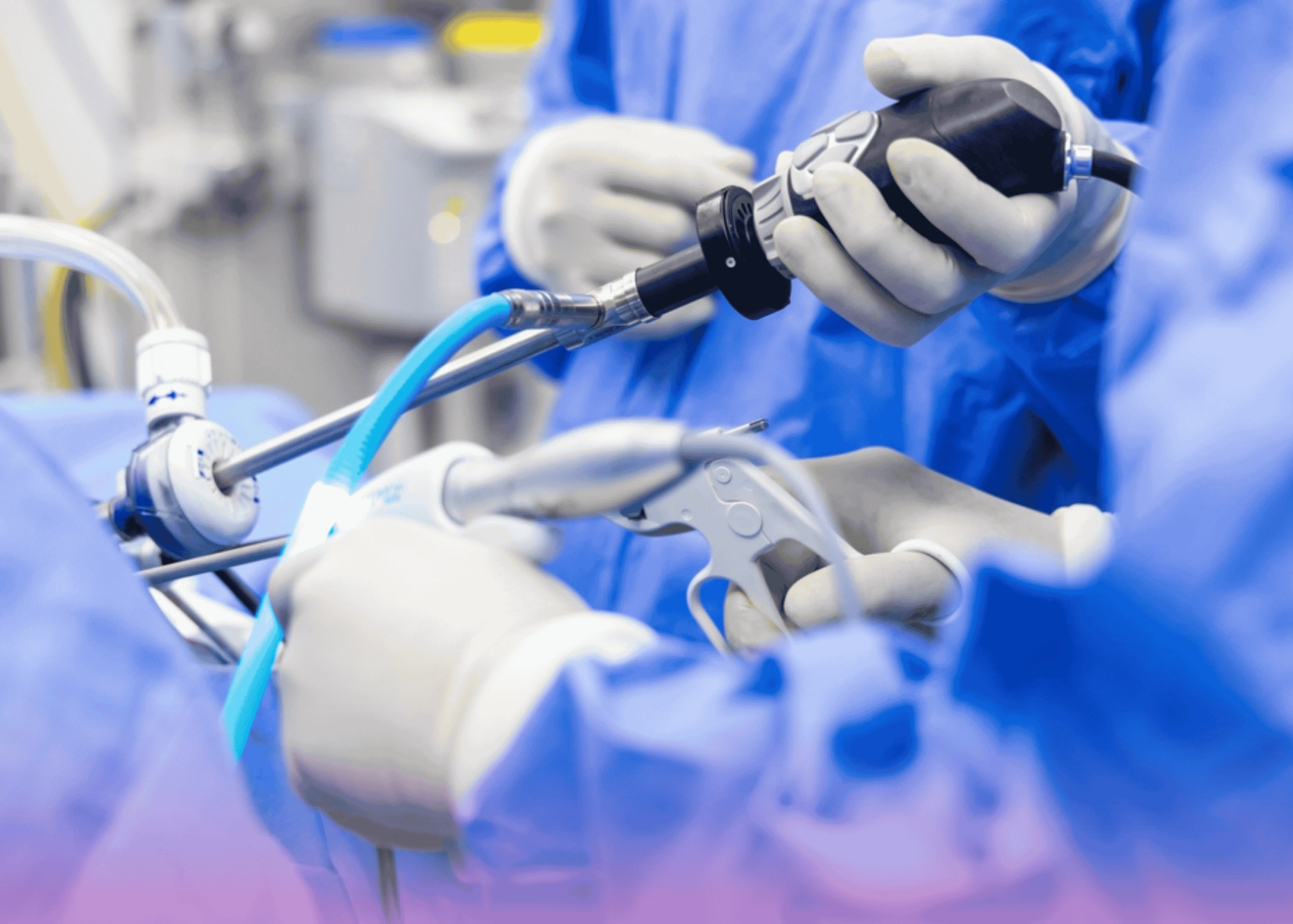
Laparoscopy is a minimally invasive surgical technique that allows access to the abdominal cavity and pelvic region without the need for large surgical incisions. This method is performed using a thin, illuminated imaging system equipped with a high-resolution camera, known as a laparoscope.
During laparoscopic surgery, small incisions, typically measuring 1–1.5 cm, are made. These small entry points enable detailed visualization of the surgical area while allowing precise and controlled surgical interventions.
One of the key advantages of minimally invasive surgery is a more comfortable recovery process compared to traditional open procedures.
What Procedures Can Be Performed with Laparoscopy?
Laparoscopy is widely used in modern gynecology for both diagnostic and therapeutic purposes.
Common procedures include:
• Ovarian cyst and endometrioma (chocolate cyst) surgery
• Myomectomy (removal of fibroids)
• Surgical treatment of intrauterine conditions
• Hysterectomy (removal of the uterus)
• Endometriosis treatment
• Pelvic organ prolapse surgery
• Tubal ligation
• Fallopian tube procedures in suitable patients
Surgical planning is always individualized based on the patient’s clinical condition and the nature of the underlying pathology.
Advantages of Laparoscopic Surgery
The primary benefits of minimally invasive surgery may include:
• Smaller surgical incisions
• Reduced postoperative discomfort
• Faster recovery
• Lower bleeding risk
• Reduced infection risk
• Quicker return to daily activities
• Minimal scarring
These advantages depend on appropriate patient selection and surgical expertise.
Recovery Process
Recovery following laparoscopic surgery is generally more comfortable. Most patients are able to mobilize early and resume daily activities more quickly.
Healing time may vary depending on the type and extent of the procedure performed.
General Considerations
Laparoscopy is one of the most commonly preferred minimally invasive surgical approaches in modern medicine. The decision to proceed with surgery and the choice of technique are determined by a qualified physician based on individual clinical evaluation.
As with all surgical procedures, treatment planning is personalized.
FAQ
It is a minimally invasive surgical technique performed through small incisions using a camera.
It is used for conditions such as fibroids, cysts, and endometriosis.
Less pain, faster recovery, and smaller scars.
Usually, one day is sufficient.
Most patients return to normal within 1–2 weeks.