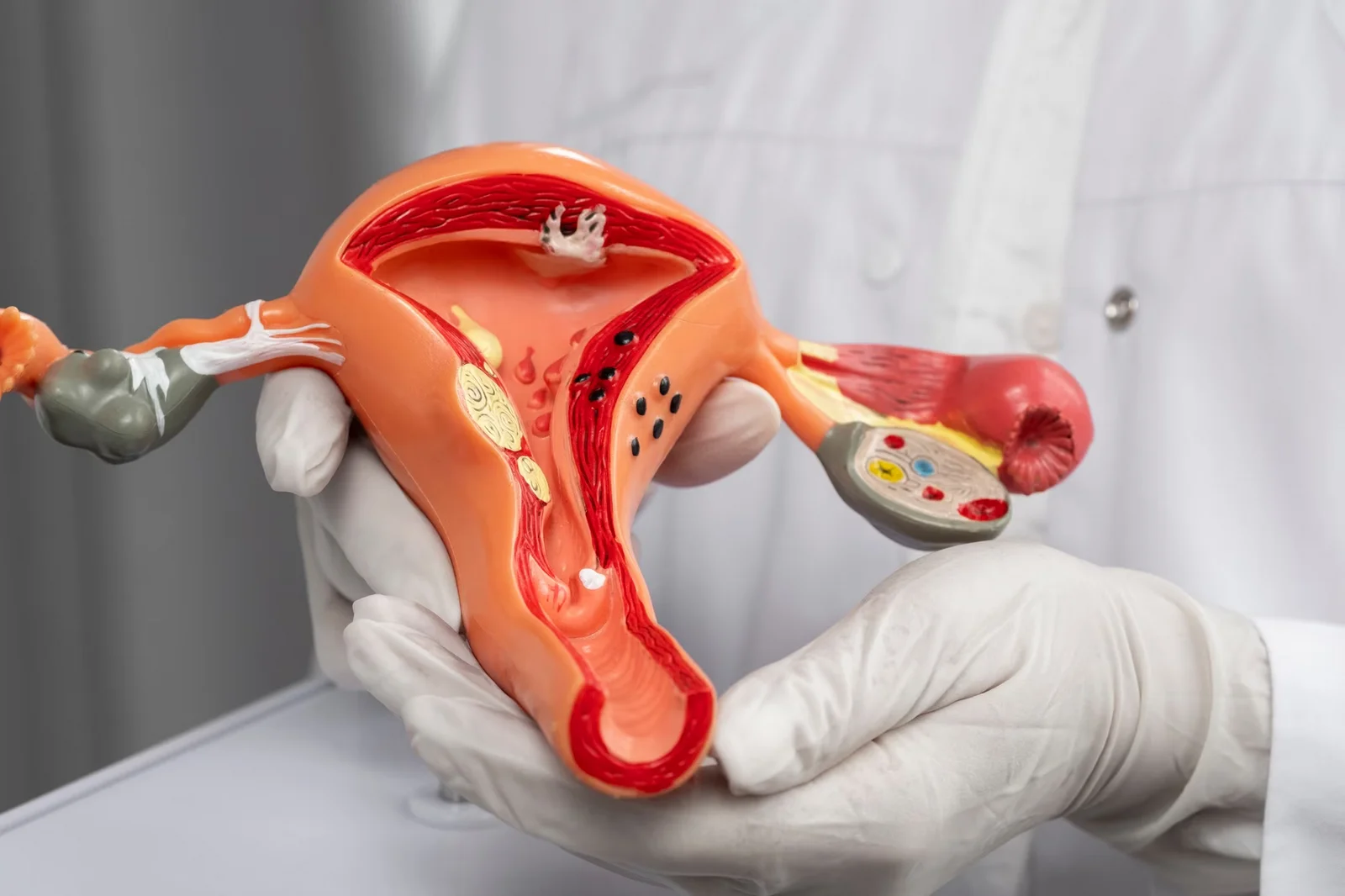
Childbirth is a natural and physiological process for the female body. However, during vaginal delivery, stretching, tearing, or tissue trauma may occur in the perineal region (the area between the vagina and the anus). While such changes are considered a normal part of recovery for many women, in some patients they may lead to functional or aesthetic concerns.
Episiotomy and perineoplasty are surgical approaches related to the perineal region, each performed for different purposes.
What is an Episiotomy?
An episiotomy is a controlled surgical incision made in the perineal area during vaginal delivery to facilitate the baby’s passage. This procedure may be performed to support a safer delivery process and to reduce the risk of irregular or severe tearing.
Episiotomy is a medical intervention planned as part of childbirth and is carried out when deemed necessary by the physician.
What is Perineoplasty?
Perineoplasty is a surgical procedure performed after childbirth to correct tissue laxity, healing concerns, scar tissue, or structural changes in the perineal region.
This operation may be considered in cases such as:
• Postpartum tissue deformation
• Discomfort following the healing process
• Aesthetic concerns
• The need to improve regional comfort
Perineoplasty is not solely an aesthetic procedure; it may also be planned for functional improvement.
Difference Between Episiotomy and Perineoplasty
Although these terms are sometimes confused, they differ significantly in both timing and purpose.
Episiotomy is performed during childbirth as a controlled surgical incision.
Perineoplasty is performed after childbirth to correct or improve existing tissue structures.
Who May Be a Candidate for Perineoplasty?
Perineoplasty may be considered for patients experiencing physical discomfort or seeking aesthetic/functional improvement due to postpartum structural changes in the perineal area.
Suitability for the procedure is determined following a detailed physician evaluation.
Surgical Considerations and Potential Risks
As with any surgical intervention, procedures involving the perineal region may carry certain risks, including infection, bleeding, temporary sensitivity, and variations in comfort during the healing period.
With proper patient selection and appropriate surgical techniques, these risks can typically be minimized.
General Considerations
Changes in the perineal region are experienced differently by every woman. Therefore, assessment and treatment planning are always individualized. While episiotomy is a medical intervention performed during delivery, perineoplasty is a corrective surgical option aimed at improving tissue structure and comfort after childbirth.
For the most accurate approach, consultation with a qualified physician is essential.
FAQ
It is the repair of the incision made during childbirth.
It is performed to achieve both aesthetic and functional improvement.
It is usually performed after postpartum healing is complete.
Mild, short-term pain may occur.
Yes, it is a surgical procedure and provides permanent results.