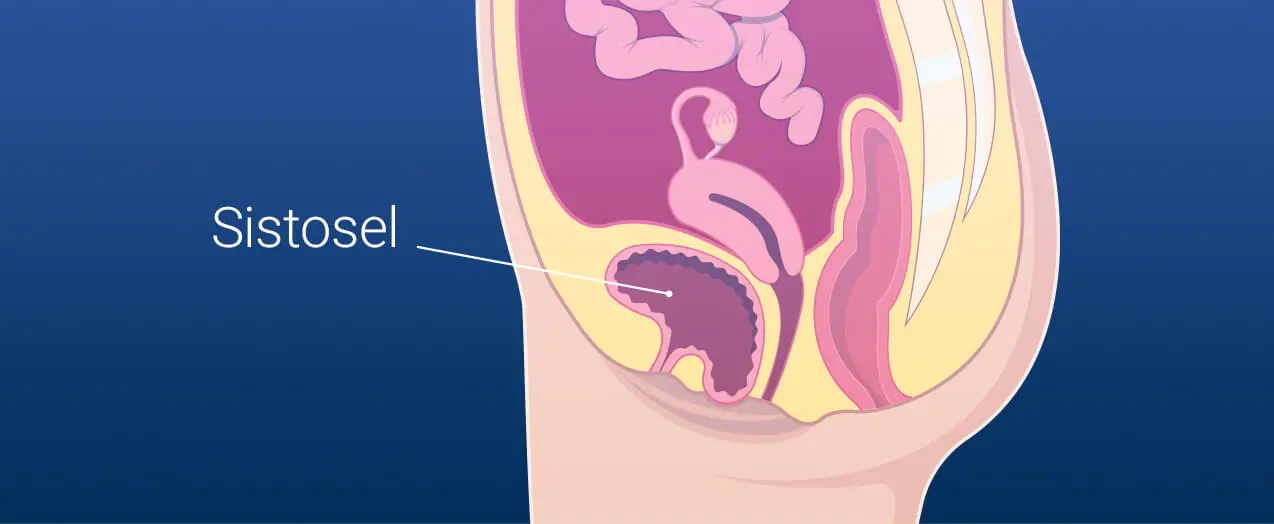
Cystocele is a type of pelvic organ prolapse in which the urinary bladder (vesane) descends toward the anterior wall of the vagina. This condition develops when the pelvic floor muscles and connective tissues that support the bladder weaken.
The pelvic floor is a dynamic support system for organs such as the bladder, uterus, and intestines. When these supportive structures lose strength, the bladder may bulge into the vaginal wall.
What Causes Cystocele?
Several factors may contribute to the development of cystocele:
• History of vaginal childbirth
• Difficult or traumatic deliveries
• Pelvic floor muscle weakness
• Chronic constipation and straining
• Chronic coughing
• Excess body weight
• Repetitive heavy lifting
• Hormonal changes after menopause
• Connective tissue weakness
These factors may gradually reduce pelvic support over time.
Symptoms of Cystocele
The severity of symptoms may vary among patients. Common complaints include:
• Sensation of pressure or fullness in the vagina
• Feeling of vaginal bulging
• Urinary incontinence
• Frequent urination
• Difficulty emptying the bladder completely
• Straining during urination
• Discomfort during sexual intercourse
Symptoms often depend on the degree of prolapse.
How is Cystocele Diagnosed?
Diagnosis typically begins with a gynecological examination. During the assessment, the position of pelvic organs is evaluated.
When necessary, additional evaluations may include:
• Pelvic ultrasound
• Urinary assessments
• Other diagnostic tests
Treatment of Cystocele
Treatment is individualized and depends on symptom severity.
Non-Surgical Approaches
In mild cases, conservative management may be recommended:
• Pelvic floor exercises
• Pessary use
• Lifestyle modifications
• Weight management
• Constipation management
Surgical Treatment
In advanced cases with significant symptoms, surgical options may be considered. The goal of surgery is to restore the anatomical support of the bladder.
Surgical planning is based on individual clinical evaluation.
General Considerations
Cystocele is a common condition associated with pelvic floor weakening. With proper evaluation and personalized treatment planning, symptoms can often be effectively managed.
Patients experiencing symptoms are encouraged to seek timely medical consultation.
FAQ
It is a condition in which the bladder prolapses into the vagina.
Difficulty urinating and a feeling of fullness are common.
Treatment is recommended if symptoms affect daily life.
Pelvic floor exercises or surgery may be performed.
With appropriate treatment, the risk of recurrence is low.