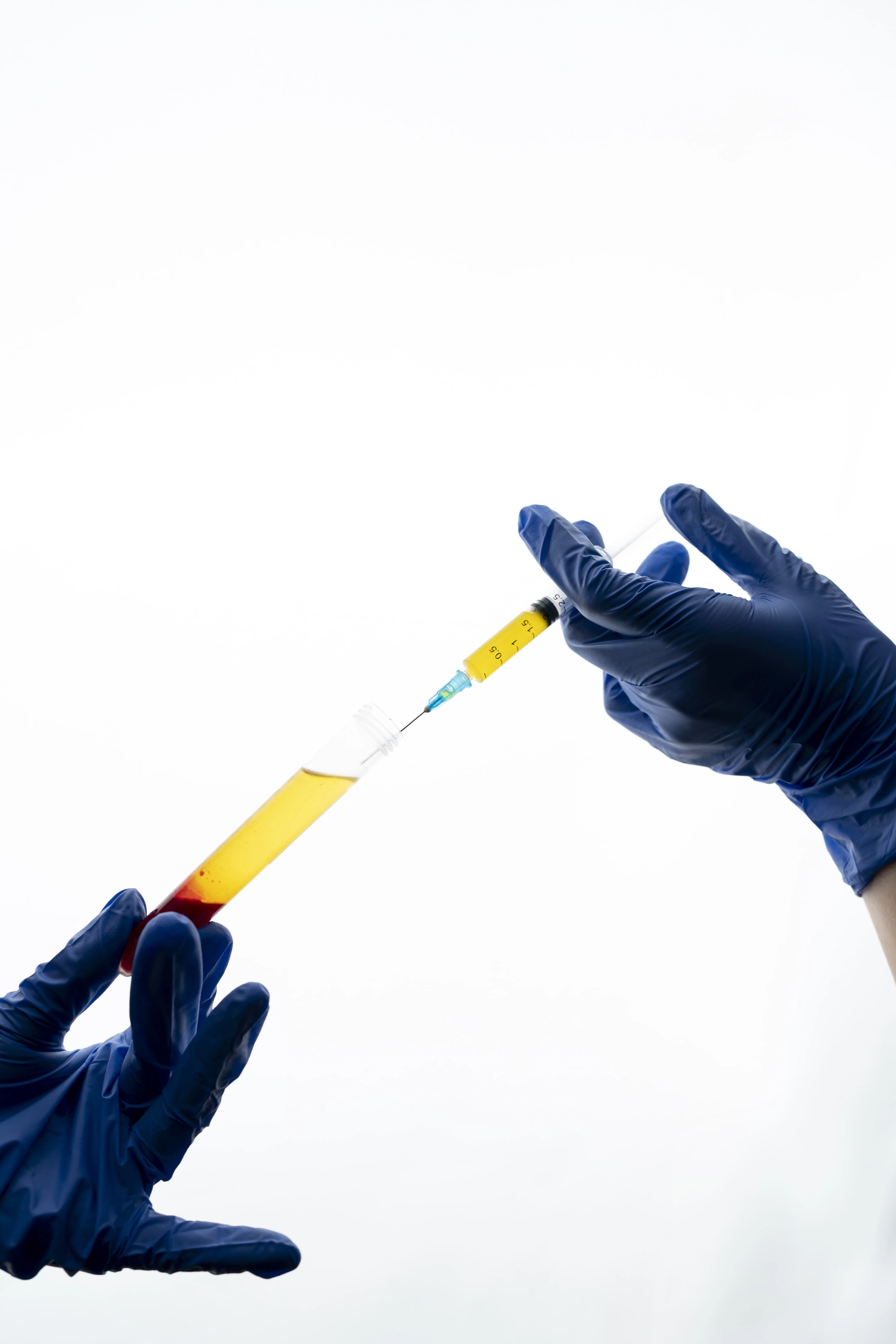
PRP (Platelet-Rich Plasma) is a regenerative medicine approach that utilizes the patient’s own blood to support tissue repair and renewal. In this method, a small sample of blood is collected, processed through specialized techniques to obtain platelet-rich plasma, and then applied to the targeted area.
Today, PRP treatments are widely used across various medical and aesthetic fields to support tissue quality and enhance natural healing processes.
Genital and Vaginal PRP Treatments
Tissues in the genital area may undergo structural changes over time due to aging, hormonal fluctuations, childbirth, and environmental factors. Reduced tissue elasticity, changes in sensitivity, and variations in overall comfort are considered natural aspects of this process.
PRP treatments for the genital and vaginal regions are regarded as supportive medical approaches aimed at improving tissue quality. The primary goals include enhancing local blood circulation, stimulating cellular regeneration, and contributing to overall tissue health.
Objectives of PRP Treatments
PRP is considered not merely an aesthetic intervention but a regenerative and tissue-supportive treatment. The main intended benefits may include:
• Supporting tissue quality
• Enhancing regional blood circulation
• Stimulating cellular renewal
• Promoting collagen production
In some patients, improvements in regional comfort and sensitivity may be observed following treatment.
How is PRP Performed?
PRP is a minimally invasive procedure performed in a clinical setting. A small amount of blood is drawn from the patient and processed to isolate platelet-rich plasma. The obtained plasma is then carefully injected into the targeted area.
The procedure is typically brief, and patients can usually return to their daily activities shortly afterward.
Who is a Suitable Candidate?
PRP treatments may be considered for patients seeking supportive options for genital and vaginal tissue health. However, the procedure may not be appropriate for everyone.
For this reason, a detailed physician evaluation is essential prior to treatment to assess medical suitability and align expectations.
General Considerations
PRP treatments represent a natural and regenerative approach based on the patient’s own biological material. All procedures are planned and performed in accordance with patient safety principles, medical ethical standards, and current scientific practices.
FAQ
PRP is the application of healing plasma obtained from the patient’s own blood.
It promotes tissue regeneration, hydration, and increased sensitivity.
Minimal discomfort may be experienced.
Typically, 2–3 sessions are recommended.
Since the patient’s own blood is used, the risk of side effects is low.