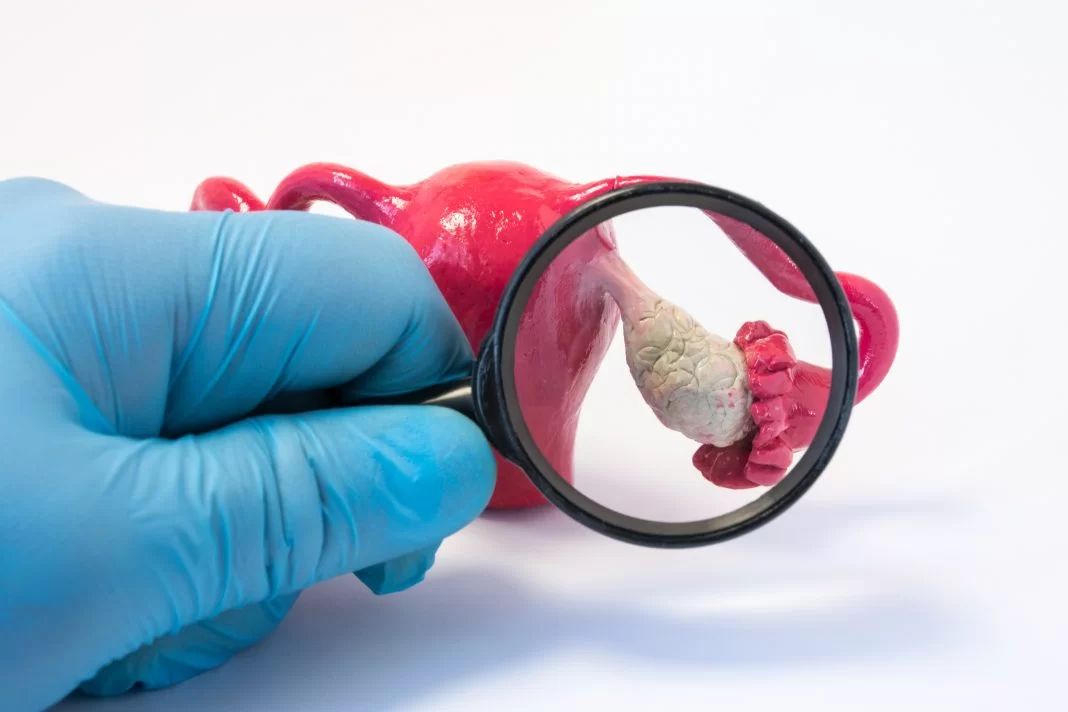
Polycystic Ovary Syndrome (PCOS) is one of the most common hormonal and ovulatory disorders in women. Frequently observed during the reproductive years, this condition is a complex syndrome that may affect ovulation, the menstrual cycle, and metabolic balance.
In PCOS, the ovaries may display multiple small follicular structures. Because these follicles often appear arranged side by side on ultrasound imaging, the term “polycystic ovary” is used. However, PCOS is not limited to the ovaries alone; it is a systemic condition involving both hormonal and metabolic processes.
How Does PCOS Develop?
In a typical menstrual cycle, the ovaries produce mature eggs at regular intervals. In PCOS, hormonal imbalances may disrupt the normal ovulation process.
This may result in:
• Irregular ovulation
• Delayed or irregular menstrual cycles
• Hormonal fluctuations
Underlying mechanisms often include elevated androgen hormone levels and insulin resistance.
Symptoms of PCOS
Symptoms of PCOS may vary from person to person. Not every patient will experience all symptoms. Common clinical findings include:
• Menstrual Irregularities
Infrequent periods, irregular cycles, or prolonged absence of menstruation
• Increased Hair Growth (Hirsutism)
Particularly on the face, chin, chest, or abdomen
• Acne and Oily Skin
Associated with hormonal changes
• Hair Thinning or Loss
Male-pattern hair loss in some patients
• Weight Gain
Often concentrated around the abdomen
• Insulin Resistance
Indicating metabolic involvement
• Skin Darkening
Commonly seen on the neck or underarms
• Ovulation-Related Fertility Challenges
Difficulty conceiving in some patients
PCOS should be recognized as a condition with both gynecological and metabolic implications.
How is PCOS Diagnosed?
The diagnosis of PCOS is not based solely on ultrasound findings. A comprehensive evaluation typically includes:
• Clinical assessment
• Hormonal testing
• Menstrual history
• Ultrasound examination
A definitive diagnosis should always be made by a qualified physician.
Can PCOS Be Treated?
PCOS management is individualized. Treatment planning depends on factors such as:
• Patient’s age
• Nature of symptoms
• Pregnancy plans
• Metabolic profile
The primary objective is not only symptom control but also the support of hormonal and metabolic balance.
General Considerations
PCOS is a common condition that can be effectively managed with appropriate medical care. Early diagnosis and regular follow-up play an important role in long-term health outcomes.
Since PCOS may present differently in each patient, evaluation and treatment should always be personalized.
FAQ
It is a common ovarian disorder characterized by hormonal imbalance.
Menstrual irregularities, weight gain, excess hair growth, and acne.
It can cause ovulation problems, but pregnancy is possible with treatment.
It is managed with lifestyle changes and medical treatment.
It cannot be completely eliminated, but it can be controlled.