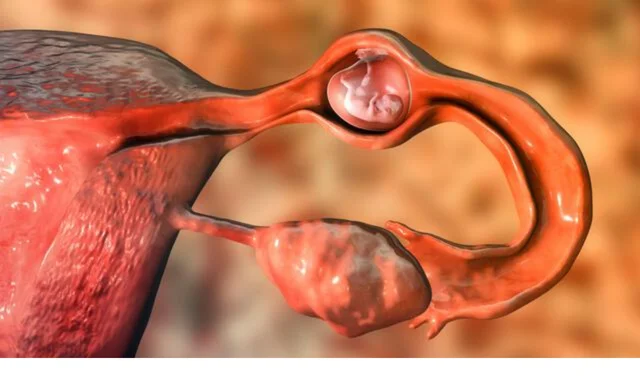
An ectopic pregnancy occurs when a fertilized egg implants outside the uterus rather than within the uterine cavity. It most commonly develops in the fallopian tubes, although in rare cases it may occur in the ovary, cervix, or abdominal cavity.
An ectopic pregnancy cannot progress as a normal pregnancy. Therefore, early diagnosis and appropriate medical management are essential for maternal health.
Risk Factors for Ectopic Pregnancy
Certain clinical conditions may increase the likelihood of ectopic pregnancy:
• Previous history of ectopic pregnancy
• Prior fallopian tube surgery
• History of pelvic infections
• Sexually transmitted infections
• Endometriosis
• Smoking
• Assisted reproductive techniques
• Advanced maternal age
Pregnancy is uncommon in patients using an intrauterine device (IUD); however, if pregnancy occurs, the location must always be evaluated.
Symptoms of Ectopic Pregnancy
In the early stages, an ectopic pregnancy may not produce noticeable symptoms. As the condition progresses, possible signs may include:
• Lower abdominal or pelvic pain
• Vaginal spotting or bleeding
• Shoulder pain (in certain cases)
• Dizziness or weakness
• Fainting sensation in cases of internal bleeding
Symptoms may vary between individuals.
How is an Ectopic Pregnancy Diagnosed?
Diagnosis typically involves multiple evaluation methods:
• Beta-hCG Testing
Assessment of pregnancy hormone levels and their progression
• Ultrasound Examination
Evaluation of the gestational sac location
• Advanced Diagnostic Methods (When Necessary)
Procedures such as diagnostic laparoscopy
A definitive diagnosis is made based on clinical findings and investigations.
Treatment of Ectopic Pregnancy
Treatment depends on the stage of pregnancy and the patient’s clinical condition.
• Medical Treatment
Medication may be considered in suitable cases
• Surgical Treatment
Laparoscopic surgery may be required in advanced or emergency situations
• Follow-Up
Monitoring of beta-hCG levels after treatment
Management is always individualized.
Potential Risks of Ectopic Pregnancy
If left untreated, ectopic pregnancy may lead to serious complications:
• Internal bleeding
• Tubal rupture
• Life-threatening conditions
For this reason, early detection is critically important.
General Considerations
Ectopic pregnancy is an uncommon but potentially serious condition requiring careful medical management. Early gynecological evaluation and regular follow-up help minimize associated risks.
In the presence of suspicious symptoms, prompt consultation with a qualified physician is strongly recommended.
FAQ
It is a condition in which the pregnancy implants outside the uterus.
Pelvic pain, bleeding, and dizziness may occur.
Yes, it may require emergency intervention.
Medical or surgical treatment methods may be applied.
With appropriate treatment, a healthy pregnancy is possible afterward.